
Combination between The Hanged Man and the Three of Swords
Synergy betweenThe Hanged Man and the Three of Swords
Embracing Stillness Amidst Sorrow
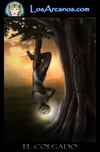
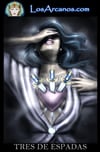
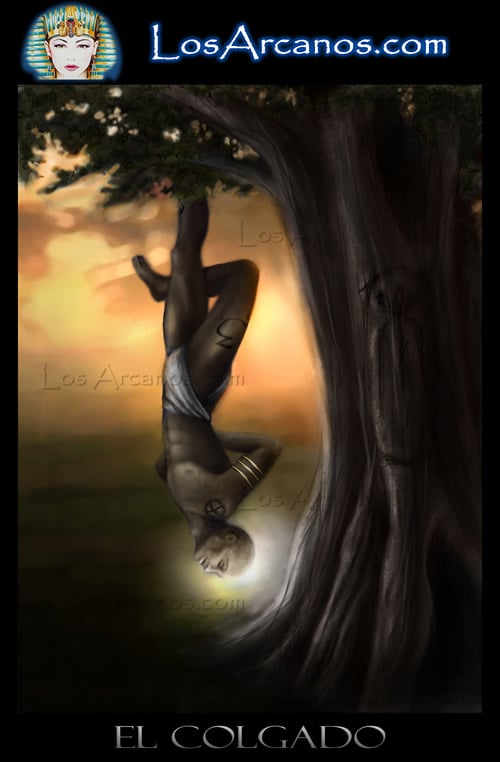
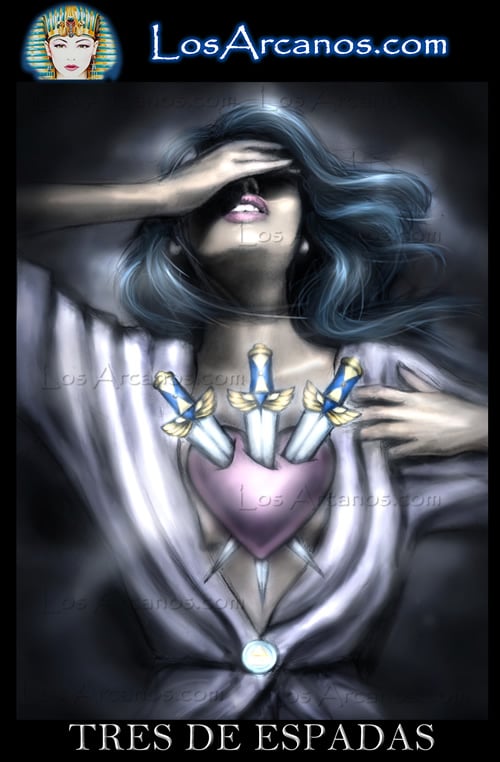
In the majestic realm of Tarot, the enigmatic dance of The Hanged Man and the Three of Swords beckons a profound transformation, as mystical as the depths of the human soul. When these cards intertwine, they herald a synergy that transcends their singular meanings, speaking of suspended action and personal heartache as gateways to inner wisdom. The Hanged Man represents surrender to the moment, embracing a period of pause where one’s worldly endeavors are placed on hold, offering a chance for inner reflection and spiritual growth. The Three of Swords slices through the veil of illusion, bringing sharp pangs of emotional or mental strife. Together, they invite you to view your sorrows from a new perspective, suggesting that through the fog of hardship, clarity emerges. Stillness becomes the crucible for healing, urging you to release attachments and embrace the transformative power of stasis. As The Hanged Man hangs in limbo, he contemplates the lessons of the heart that the Three of Swords brings, finding peace and readiness for what lies beyond. This combination is a call to look inward during times of trial, to find serenity amidst the tempest, and to rise from your tribulations with newfound insight and resilience.
Keywords for this relationship
transformation, reflection, inner wisdom, surrender, pause, healing, emotional pain, heartache, insight, resilience
The Hanged Man reversed and the Three of Swords
With The Hanged Man reversed, you struggle against the lesson of letting go, while the upright Three of Swords indicates present suffering. This points to resisting necessary sacrifices for your growth.
The Hanged Man and the Three of Swords reversed
An upright Hanged Man amidst an inverted Three of Swords suggests a release from sorrow, indicating that your period of introspection will soon alleviate heartache.
The Hanged Man and the Three of Swords, both reversed
Both The Hanged Man and the Three of Swords reversed speak to an inner turmoil. You may be denying pain or avoiding necessary reflection, prolonging your suffering.
See all Combinations
The Hanged Man The Fool and other minor arcana

Other Major and Minor Arcana Combinations
Back to all combinations