
Combination between The Hanged Man and the Four of Wands
Synergy betweenThe Hanged Man and the Four of Wands
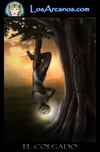
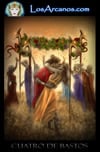
Transitional Celebration: A Synergy of Suspension and Stability
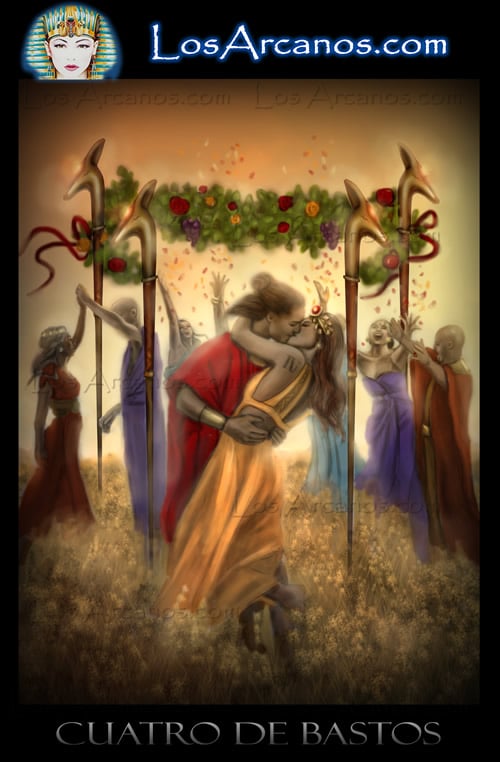
In the mystical realm of Tarot, the confluence of The Hanged Man and the Four of Wands speaks to the journey of transformation grounded in communal bliss. Envisage The Hanged Man, who invites us to embrace the art of surrender and to find wisdom in pause. This archetype beckons us to let go, to witness the world from an unaccustomed perspective, and in this suspension of action, we discover profound insights and a calm readiness for what is to come. Now, imagine the joyous energies of the Four of Wands, a symbol of harmony, celebration, and the creation of a safe haven within the dynamics of life. When these two cards dance together in a Tarot reading, they tell a tale of necessary pause that precedes a triumphant homecoming. Here is where personal sacrifices lead to collective celebrations; where the introspection and liminality of The Hanged Man serve as the fertile soil for the festivities and stability heralded by the Four of Wands. This is a synergy where the wait seamlessly transitions into welcoming arms, and personal reinvention radiates as communal strengthening. It is a synergistic message affirming that sometimes, we must hang in suspension to build the world we aspire to live in.
Keywords for this relationship
Synergy, Transformation, Introspection, Celebration, Stability, Surrender, Communal, Reinvention, Homecoming, Personal Sacrifice, Festivities
The Hanged Man reversed and the Four of Wands
When The Hanged Man appears inverted next to an upright Four of Wands, it suggests an end to stalling, with a realization that the time for action has arrived. Festivities and harmony are on the horizon, encouraging you to move forward from a period of delay into a phase of engagement and completion.
The Hanged Man and the Four of Wands reversed
An upright Hanged Man with an inverted Four of Wands reveals a call for personal reflection that may temporarily cloud communal happiness. This pairing advises that patience is still needed while the collective ground is shaken, hinting that alignment must first occur within before external structures can truly flourish.
The Hanged Man and the Four of Wands, both reversed
Both cards inverted indicate that defiance against suspension and distorted celebrations might be at play. The internal resistance to change and the disruption of communal joy suggest a need to revisit one’s outlook, demanding a reorientation to embrace the transformations and regain the sense of community and stability.

See all Combinations
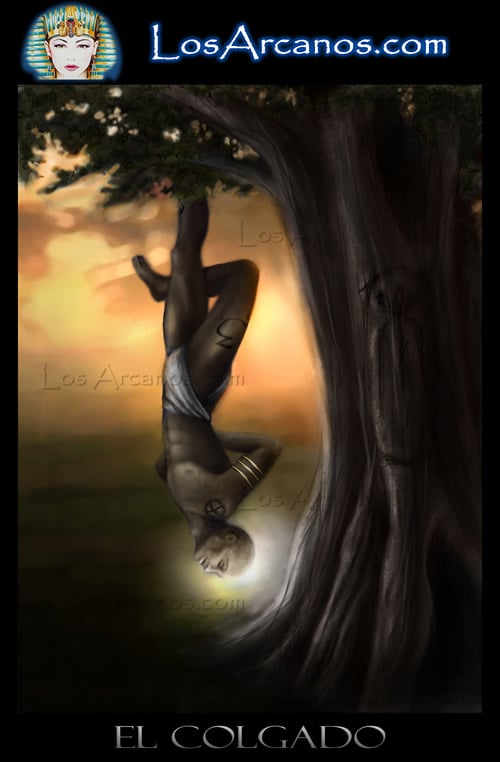
The Hanged Man The Fool and other minor arcana


















Other Major and Minor Arcana Combinations











Back to all combinations