
Combination between The Hanged Man and the Five of Swords

Synergy betweenThe Hanged Man and the Five of Swords
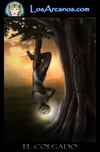
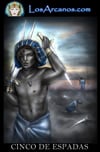
Suspended Conflict: Embrace the Haze
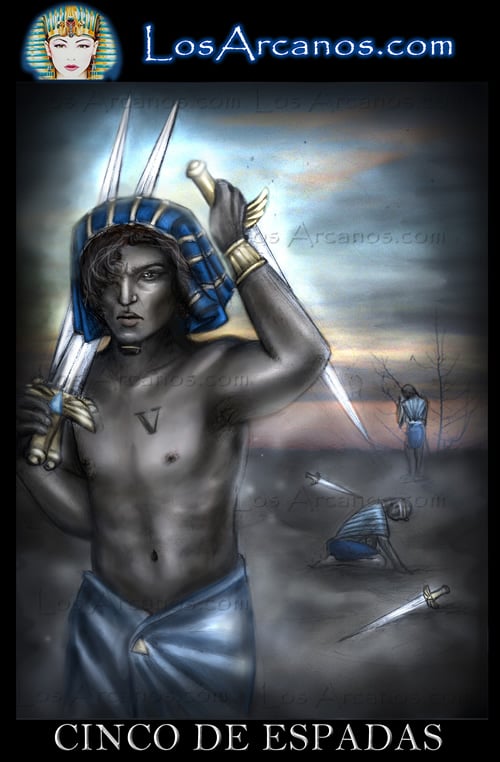
When The Hanged Man and the Five of Swords come together in a reading, they weave a tale of enigmatic stillness amidst strife. The Hanged Man invites us to pause and consider a different perspective, a period of delay where wisdom is gained not through action, but through surrender and sacrifice. This time of waiting and introspection can be a powerful process of spiritual enlightenment. Yet, when paired with the Five of Swords, this introspection meets the challenge of unresolved external conflicts, aggressive tensions, or a hollow victory. This combination can signify a period in which one must hang in suspense, reflecting on the dissonance between personal beliefs and current actions. It’s a call to examine the battles we choose to fight, to recognize moments when withdrawing may serve our higher self more than engaging in unwinnable conflicts. The call of The Hanged Man is to seek understanding and enlightenment, while the Five of Swords warns that not all battles are worth the scars they leave. The synergy of these cards guides us to find peace in the eye of the storm and to rise above the fray with a newfound clarity.
Keywords for this relationship
introspection, surrender, conflict, reflection, enlightenment, pause, strife, sacrifice, spiritual growth
The Hanged Man reversed and the Five of Swords
With The Hanged Man reversed, one resists the necessary pause and reflection, while the Five of Swords upright suggests that the ego’s drive to win may further perpetuate conflicts and personal unrest.
The Hanged Man and the Five of Swords reversed
The Hanged Man upright calls for patience and a new outlook, yet with the Five of Swords reversed, there’s an opportunity to resolve conflicts and move beyond petty disputes or self-sabotage.
The Hanged Man and the Five of Swords, both reversed
Both cards reversed indicate a strong resistance to introspection and a persistence in conflict. This might suggest self-inflicted strife or an unwillingness to let go of battles that serve no purpose but to wound.

See all Combinations
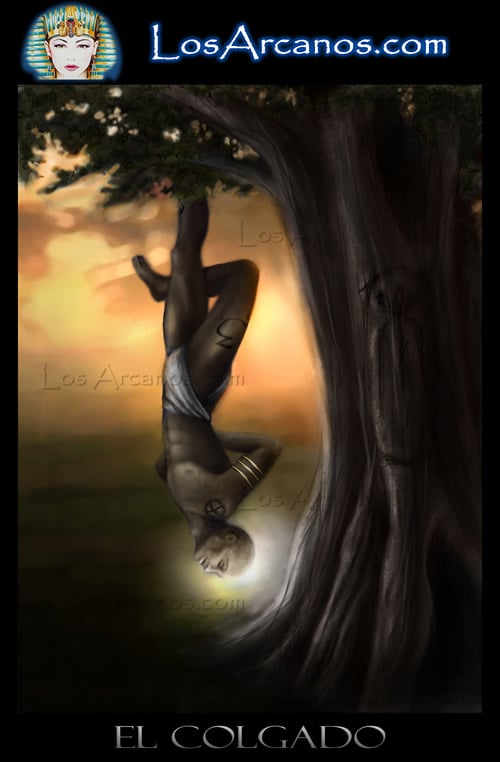
The Hanged Man The Fool and other minor arcana





Other Major and Minor Arcana Combinations

Back to all combinations