
Combination between The Hanged Man and the Five of Wands

Synergy betweenThe Hanged Man and the Five of Wands

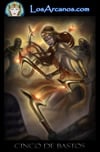
Suspended Strife: Insight in Conflict
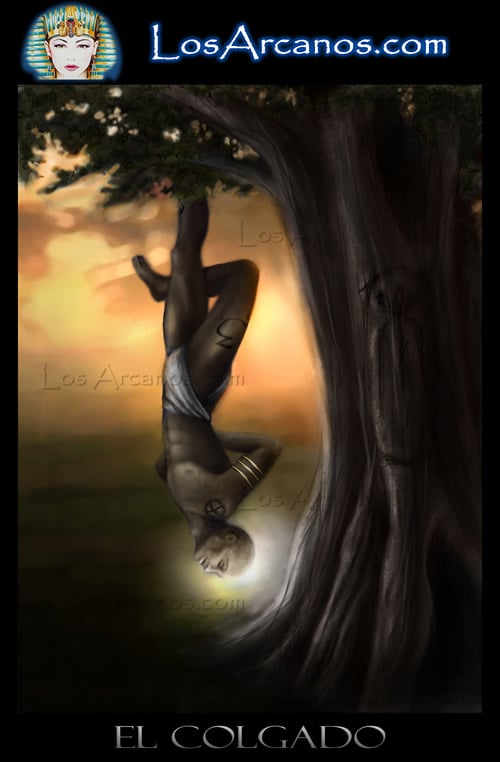
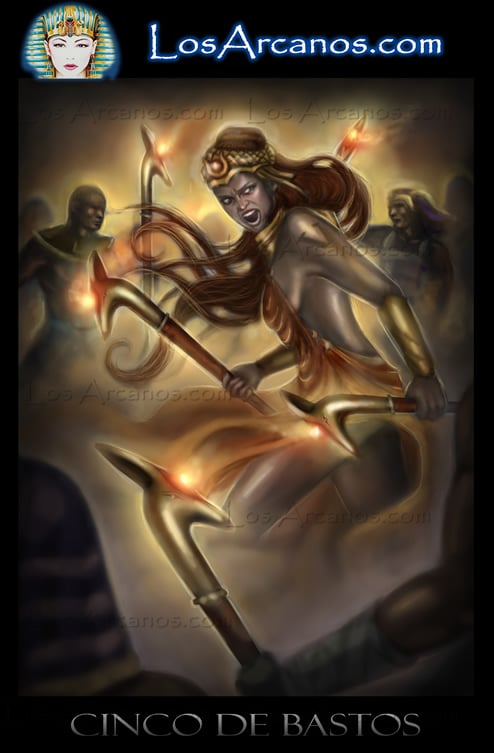
When The Hanged Man and the Five of Wands come together in a spread, they weave a powerful tapestry of stillness and struggle. This melding of cards conveys an important lesson: within our conflicts lies the opportunity for deep spiritual growth and enlightenment. The Hanged Man represents a time of voluntary pause, of relinquishing control to gain wisdom from a different perspective. It’s about sacrifice and delay, a period of waiting where visions may surface from the mist of inaction. Meanwhile, the Five of Wands symbolizes a flurry of competition, a heated debate of wills, and the courage to face challenges head-on. When combined, these cards encourage the seeker to find calm within the chaos. The synergy created by this pair suggests a call to embrace the struggle, to suspend immediate reactions and look deeper for meaning. By accepting the lessons of the Hanged Man - patience, surrender, and a new viewpoint, with the active, competitive spirit of the Five of Wands, one can transcend earthly disputes and emerge spiritually renewed. The essence of this combination lies in understanding that sometimes, by stepping back and taking a moment to reflect, we can navigate through our battles with greater clarity and emerge victorious not just in action, but in spirit.
Keywords for this relationship
reflection, struggle, patience, enlightenment, competition, perspective, sacrifice, growth, conflict, insight
The Hanged Man reversed and the Five of Wands
Resisting the pause for reflection advocated by The Hanged Man can exacerbate conflicts represented by the Five of Wands, suggesting a stubbornness in facing challenges without seeking deeper understanding.
The Hanged Man and the Five of Wands reversed
While The Hanged Man suggests patience, an inverted Five of Wands warns of internal conflicts and unproductive strife, urging the need to find inner peace amidst external discord.
The Hanged Man and the Five of Wands, both reversed
Both cards inverted signify a resistance to the necessary introspection and a potential escalation in conflict, hinting at the need to release egoistic battles and adopt a more meditative approach to overcome turmoil.

See all Combinations
The Hanged Man The Fool and other minor arcana













Other Major and Minor Arcana Combinations








Back to all combinations