
Combination between The Hanged Man and the Ten of Pentacles
Synergy betweenThe Hanged Man and the Ten of Pentacles
Sacred Pause and Prosperity
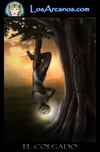
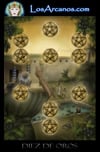
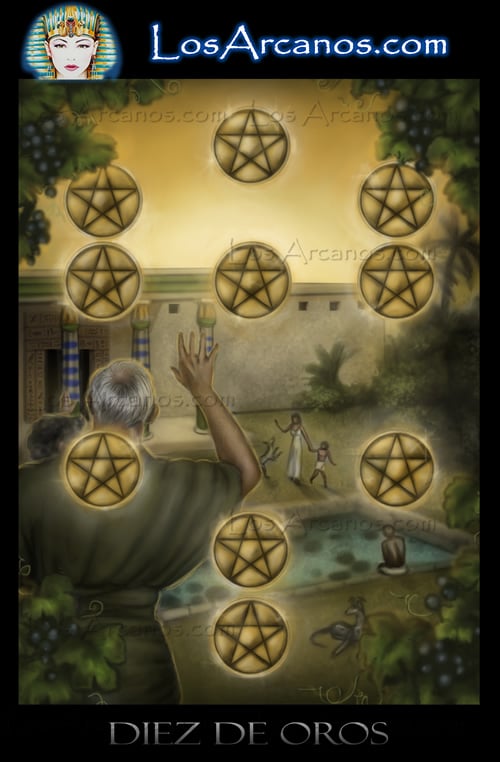
When The Hanged Man and Ten of Pentacles converge within a Tarot spread, they brew a mystical potion of enlightenment and abundance that transcends the physical realm. This union signifies an introspective journey that blossoms into a legacy; it is the quiet before the bountiful harvest. The Hanged Man, representing surrender, personal sacrifice, and a change in perspective, invites us to pause, reflect, and embrace a serene state of suspension. It encourages a release of ego and an openness to spiritual wisdom and new insights. In stark contrast lies the Ten of Pentacles, symbolizing material wealth, family units, and generational success. Together, these cards weave a narrative of patient endurance leading to ultimate fulfillment. It is a dance of knowing when to yield and when to reap the benefits of one’s hard work. This combination suggests that sometimes, willingly embracing a period of stasis can be the key to unlocking a treasure trove of stability, financial certainty, and societal recognition. The essence of this meld is the celebration of life’s paradoxes—finding wealth through stillness and unlocking the gates to one’s destiny by being purposefully immobile.
Keywords for this relationship
reflection, prosperity, sacrifice, legacy, enlightenment, suspension, abundance, wealth, family, patience
The Hanged Man reversed and the Ten of Pentacles
Stagnation meets security: The Hanged Man reversed suggests stubbornness and fear of change, while the upright Ten of Pentacles reassures stable finances and family support, urging the need to let go in order to thrive.
The Hanged Man and the Ten of Pentacles reversed
Spiritual insights clash with misfortune: The upright Hanged Man beckons introspection and the embrace of diverse perspectives, while the Ten of Pentacles reversed warns of financial setbacks and the crumbling of structures once thought secure.
The Hanged Man and the Ten of Pentacles, both reversed
Resistance and loss: With both The Hanged Man and the Ten of Pentacles reversed, one faces the turmoil of resisting life’s necessary pauses and the anxiety of financial and familial instability, indicating a call for profound personal transformation.
See all Combinations
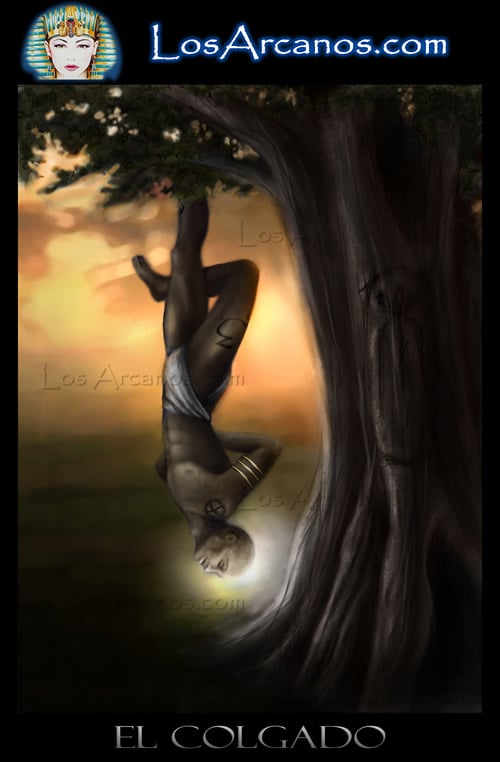
The Hanged Man The Fool and other minor arcana
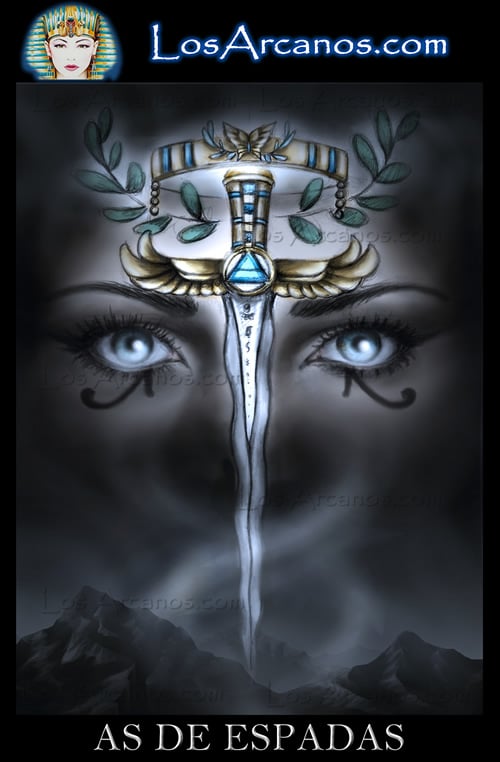
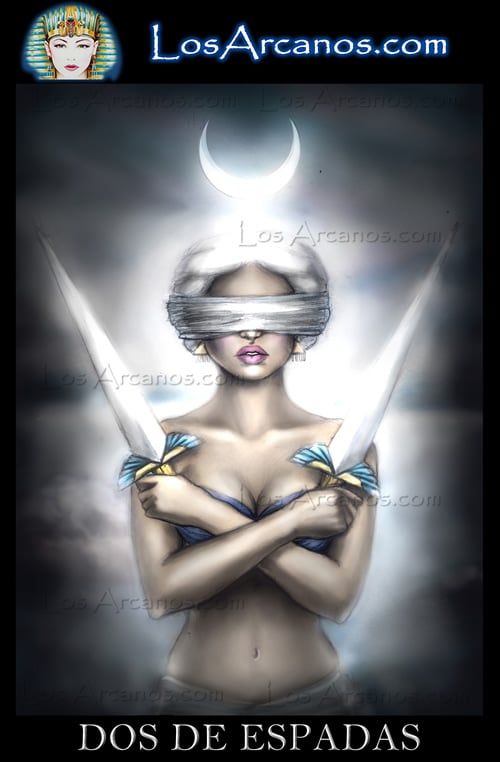
Other Major and Minor Arcana Combinations
Back to all combinations