
Combination between The Devil and the Three of Pentacles
Synergy betweenThe Devil and the Three of Pentacles


Synergy of Will and Work
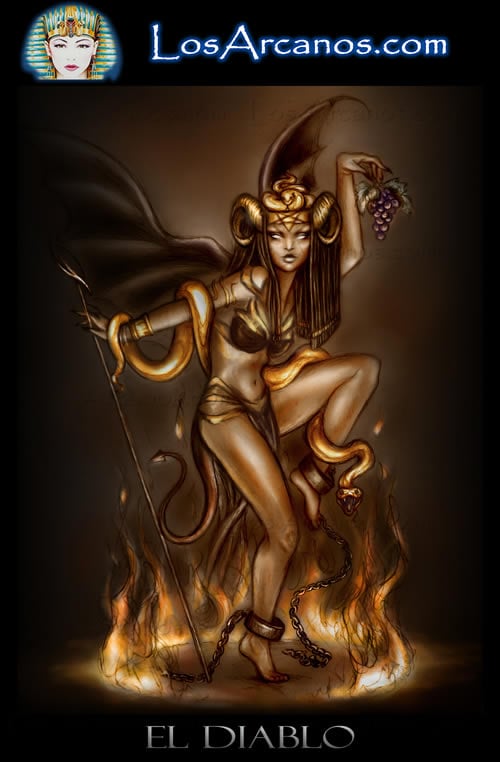
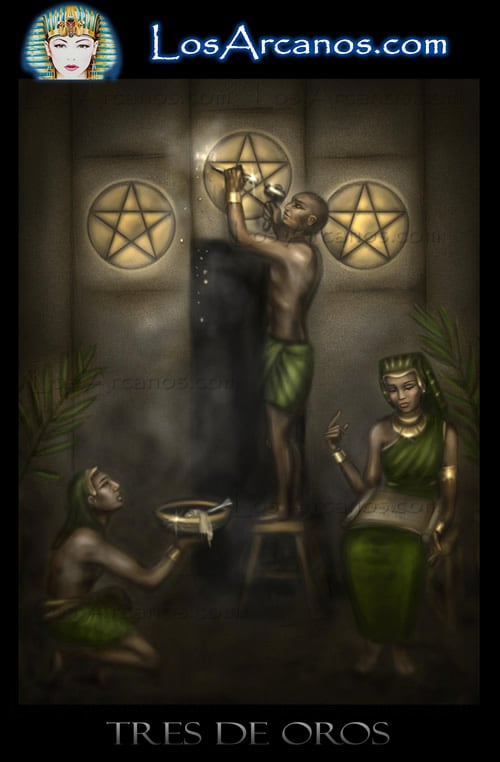
In the mystical tapestry of the Tarot, each card holds a key to deeper understanding, but when two cards intertwine, their messages merge to reveal profound insights. The Devil paired with the Three of Pentacles signifies a powerful alchemy of focus and form. Here, the Devil, often misunderstood, embodies the reflection, discipline, and respect necessary to channel one’s passions constructively. It suggests a calculated approach to ambitions, where indulgence becomes an asset instead of a vice, infusing work with intensity and purpose. The Three of Pentacles complements this energy with its essence of practicality, learning, and self-sufficiency. This card heralds collaboration and the mastery of skill, indicating that it’s never too late to build upon a solid foundation. Together, they amplify the value of hard work tempered with prudence. This pair advises that by respecting the structures that bind us, we unlock the potential to reshape them into stepping stones towards our goals. Embrace the synergy of The Devil’s strategic patience with the Three of Pentacles’ artisanal precision, and you may find the magic in the mundane, transforming toil into triumph.
Keywords for this relationship
alchemy, focus, discipline, passion, collaboration, mastery, potential, structure, goals, transformation, triumph
The Devil reversed and the Three of Pentacles
With The Devil reversed, the shadow of restraint lifts, suggesting a period of breaking free from self-imposed chains. Meanwhile, the Three of Pentacles upright maintains its promise of craftsmanship and learning, highlighting the liberation of talents and skills once hindered by doubt or fear.
The Devil and the Three of Pentacles reversed
The Devil upright warns of a preoccupation with materialism or power, yet when paired with the Three of Pentacles reversed, it hints at a disruption in teamwork or a downfall in the quality of work, urging a reassessment of priorities and collaborative efforts.
The Devil and the Three of Pentacles, both reversed
When The Devil and the Three of Pentacles are both reversed, it reflects a time when ambition is thwarted by confusion and disarray. The vision for progress is clouded, and the effort required to succeed seems scattered, calling for a reevaluation of one’s direction and methods.

See all Combinations
The Devil The Fool and other minor arcana













































Other Major and Minor Arcana Combinations














Back to all combinations