
Combination between The Devil and the Seven of Swords
Synergy betweenThe Devil and the Seven of Swords


Shadow Bindings & Secret Schemes
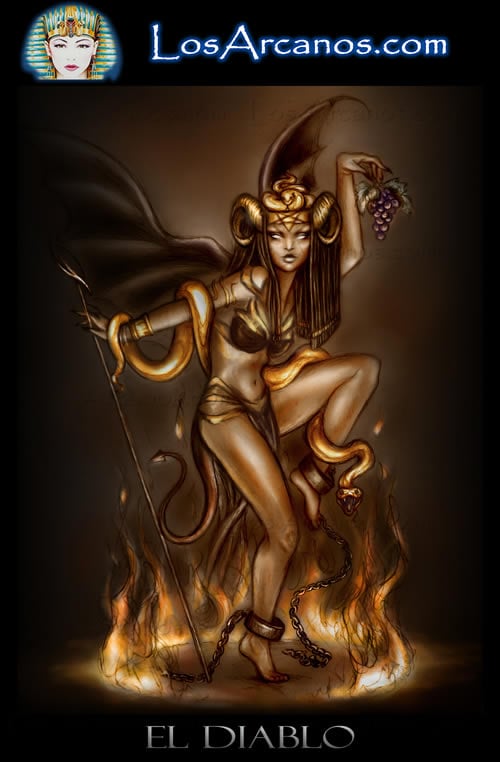
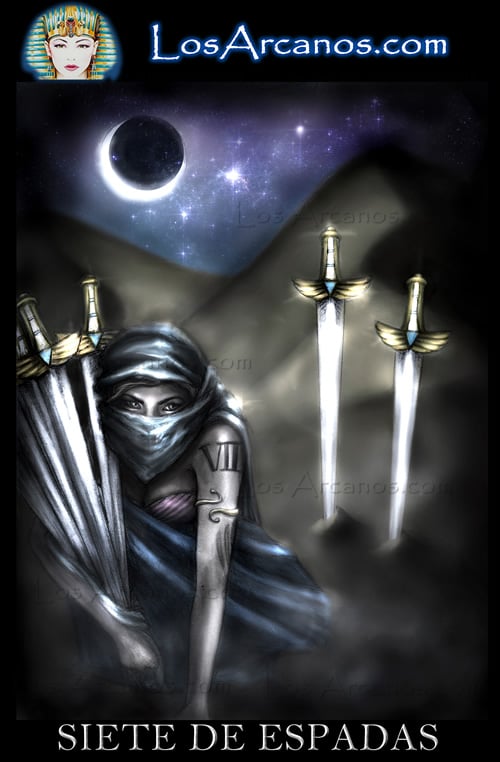
In the arcane mysticism of Tarot, when the ponderous Devil allies with the clandestine Seven of Swords, we encounter a synergy that eclipses the individual meanings of these cards, creating a complex tableau of human behavior. The Devil embodies our shadows, the attachments and obsessions that chain us to our lesser selves. It speaks of an indulgent tolerance for what holds us back and the serious respect we lend to destructive patterns, echoing the stringent discipline required to break free. In the coupling with the Seven of Swords, a card of solitude, cunning, and evasion, this fusion suggests an intricate dance with our darker aspects. One might be facing a situation where secrecy, shame, or even deceit is playing a significant role in maintaining a sense of control or order. This formidable combination warns of an underlying manipulation or avoidance that hampers growth and self-respect, encouraging a prudent evaluation of one’s actions and the motivations behind them. It heralds the necessity to confront one’s internal deceptions and to sever ties with manipulations that masquerade as conventional wisdom or necessity. It’s a call to step away from the seriousness of self-imposed structures and to reflect on the future with a calculated, but liberated mindset.
Keywords for this relationship
synergy, shadows, obsession, indulgence, manipulation, solitude, cunning, deceit, psychological complexity, reflection, liberation
The Devil reversed and the Seven of Swords
With the Devil reversed, our awareness is awakening; we start to reject dependencies and false narratives. The upright Seven of Swords still advises caution against external deceit or self-sabotage.
The Devil and the Seven of Swords reversed
The upright Devil suggests we might be knowingly indulging in negative patterns, while the reversed Seven of Swords reveals the potential for self-deception or a change in approach to evade consequences.
The Devil and the Seven of Swords, both reversed
Both cards reversed indicate a potential liberation from self-deceit and manipulative behaviors, as we start confronting hidden truths and reclaiming personal power from within the shadows.
See all Combinations
The Devil The Fool and other minor arcana
























Other Major and Minor Arcana Combinations











Back to all combinations