
Combination between The Tower and the Knight of Pentacles
Synergy betweenThe Tower and the Knight of Pentacles
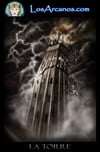
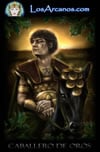
Transformative Stability: Tower & Knight
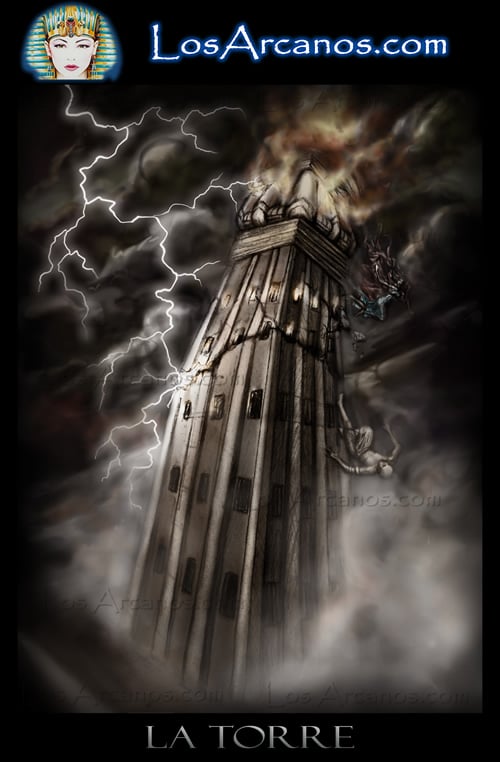
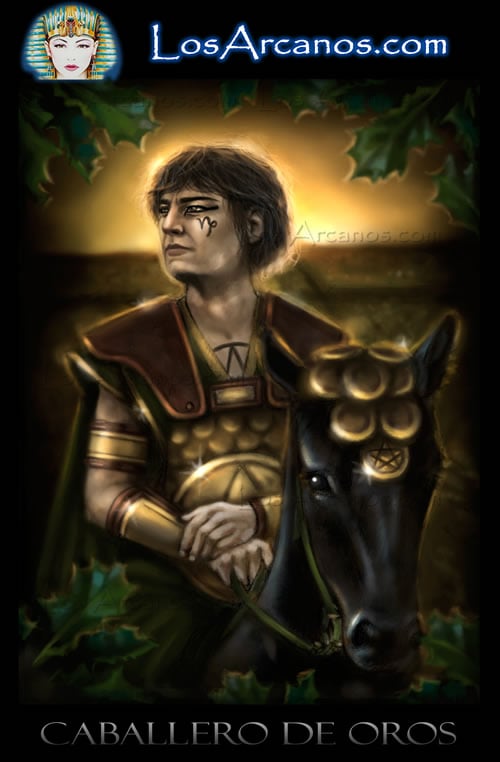
In the mystical realm of Tarot, the combination of The Tower and the Knight of Pentacles holds a profound message. The Tower, a card of swift and radical change, suggests a moment where the very foundations of your life may be shaken. It heralds sudden upheaval, bringing about enlightenment through destruction and the potential for rebirth from the ruins. In contrast, the Knight of Pentacles embodies steadfastness and methodical progress. This card represents the virtues of diligence, patience, and commitment to the path laid before you. When these cards come together in a reading, they signal a powerful synergy of destruction and renewal. The Tower’s cataclysmic force meets with the enduring spirit of the Knight of Pentacles, suggesting that while your world may be turned upside down, there is an opportunity to rebuild it with greater stability and foresight. The upheaval can clear the way for the Knight’s methodical planning, enabling you to reconstruct your life on firmer ground, with a renewed sense of purpose and practical resolve. This unique juxtaposition invites you to embrace change, harnessing the chaos to forge your path with wisdom and persistence.
Keywords for this relationship
upheaval, renewal, transformation, stability, diligence, reconstruction, sudden change, methodical progress, synergy, rebirth
The Tower reversed and the Knight of Pentacles
With The Tower reversed, the anticipated chaos subsides to a warning hum, hinting at internal disruptions rather than external. Meanwhile, the Knight of Pentacles stands tall, suggesting that through careful planning and a steadfast approach, these inner tremors can be managed and controlled.
The Tower and the Knight of Pentacles reversed
The Tower stands erect, indicating a sudden and possibly shocking change, while the Knight of Pentacles reversed warns of stagnation. The combination suggests that although upheaval is imminent, a reticence to adapt and a resistance to change may hinder the process of rebuilding and growth.
The Tower and the Knight of Pentacles, both reversed
When both The Tower and the Knight of Pentacles are reversed, the message is one of resistance to necessary change and a lack of preparation or follow-through. It warns of a continual cycle of destruction without the benefit of reconstruction, pointing to the need for a reevaluation of strategies and the adoption of a more flexible approach.

See all Combinations
The Tower The Fool and other minor arcana
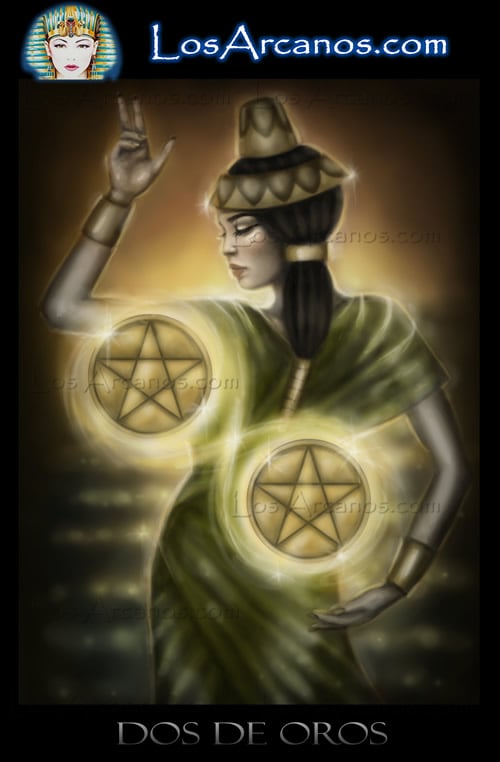
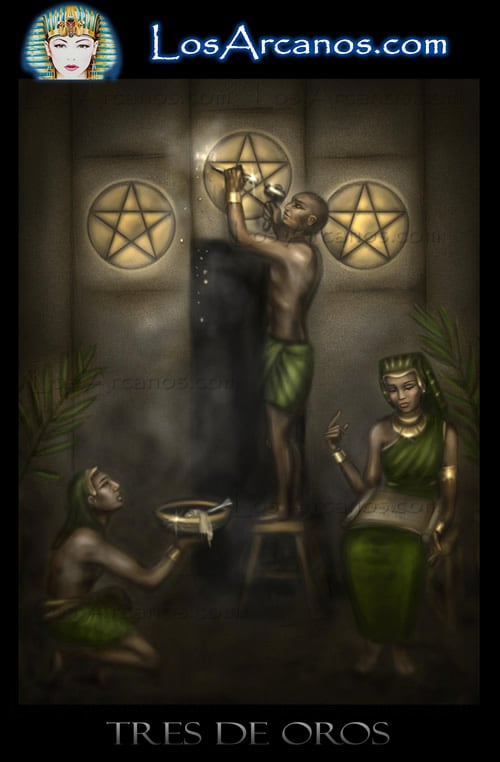
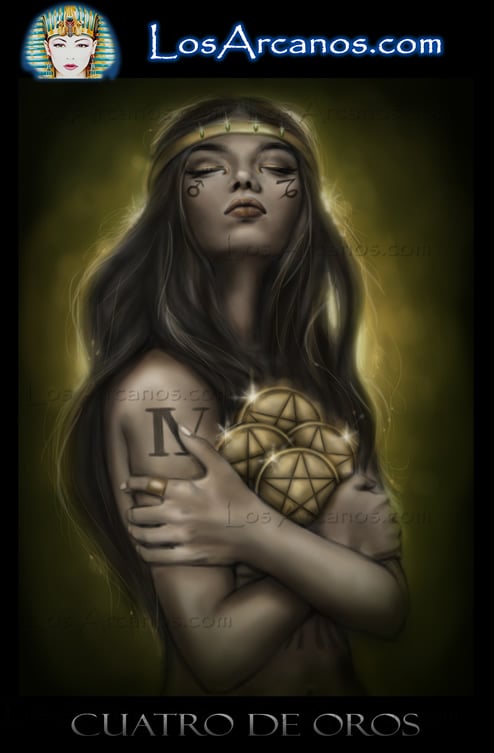
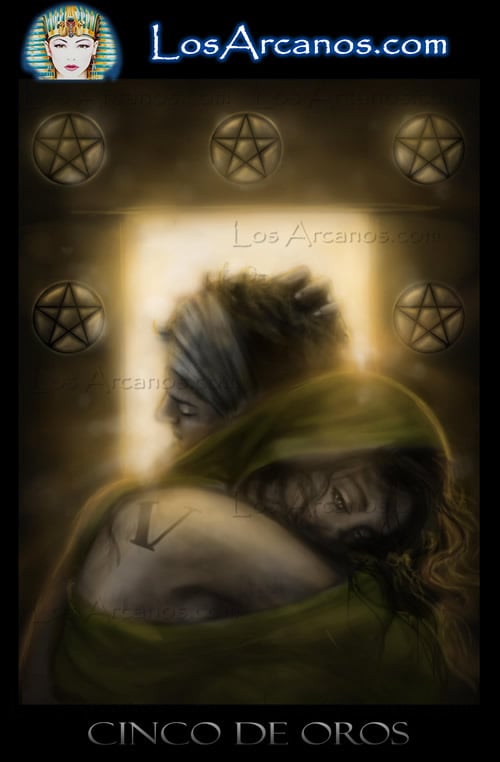









Other Major and Minor Arcana Combinations



Back to all combinations