
Combination between The Hermit and the Three of Swords
Synergy betweenThe Hermit and the Three of Swords

Insightful Solitude & Heartache’s Wisdom
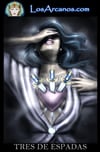
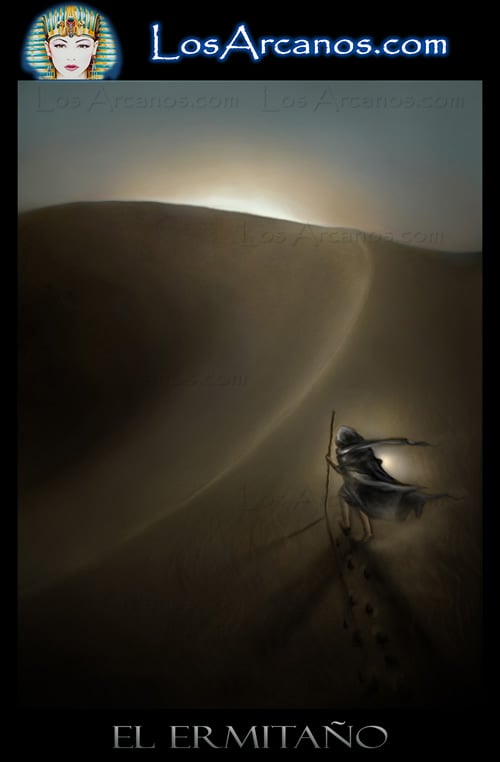
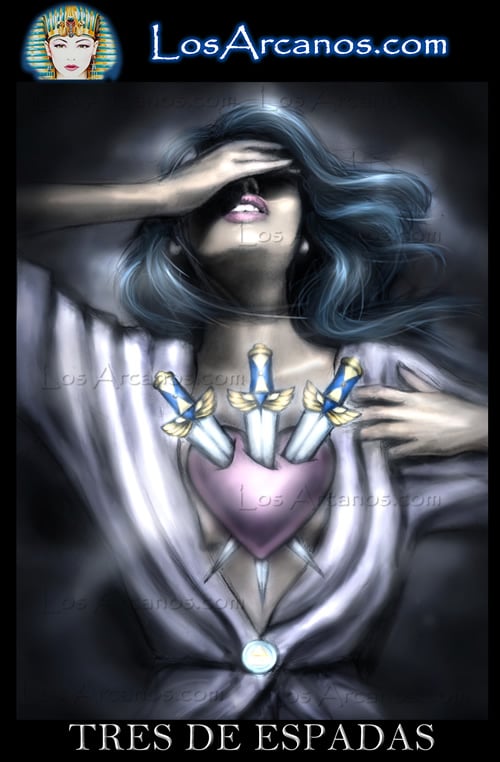
In the whispering shadows of the Tarot, the coupling of The Hermit and the Three of Swords can at first seem like a challenging omen; however, in its deeper wisdom, it signifies a profound transformative journey. The Hermit, a beacon of introspection, invites us to step back from the world’s noise and seek solitude for contemplation. This card encourages us to look within and find guidance from our inner light. Pair this with the piercing sorrow of the Three of Swords, and we’re faced with the stark realities of personal pain, disappointment, or the sting of betrayal. Together, these cards suggest that within the heart’s deepest wounds lies the potential for healing and enlightenment. This period of retraction is not for naught; it’s a sacred time where genuine understanding of life’s trials emerges. Personal growth often requires us to face our darkest moments with courage, and this card combination calls for introspection in the midst of emotional turmoil, urging us to find the knowledge that pain can teach. The journey inward, coupled with the acceptance of hurt, can catalyze an incredible transformation that transcends the individual impact each card holds on its own. This synthesis prompts the evolution of the soul, the sharpening of the mind, and a blossoming of empathy that will illuminate the path forward.
Keywords for this relationship
introspection, transformation, healing, enlightenment, solitude, personal growth, heartache, betrayal, inner light, contemplation, wisdom
The Hermit reversed and the Three of Swords
When The Hermit appears reversed with the upright Three of Swords, it hints at a resistance to the necessary solitude for introspection following a heartache. There’s a warning against isolating out of fear or denial, leading to stagnation rather than healing.
The Hermit and the Three of Swords reversed
With The Hermit upright and the Three of Swords reversed, it suggests the beginning of recovery from a personal loss. The time has come to gently re-emerge from solitude, learning from the pain and slowly releasing the weight of grief.
The Hermit and the Three of Swords, both reversed
Both The Hermit and the Three of Swords in reverse signify a profound disconnection. The avoidance of self-reflection and an unwillingness to address deep-seated hurt may result in a prolonged period of aimlessness and inner turmoil.
See all Combinations
The Hermit The Fool and other minor arcana



















Other Major and Minor Arcana Combinations









Back to all combinations