
Combination between The Emperor and the Five of Swords
Synergy betweenThe Emperor and the Five of Swords


The Emperor’s Conflict
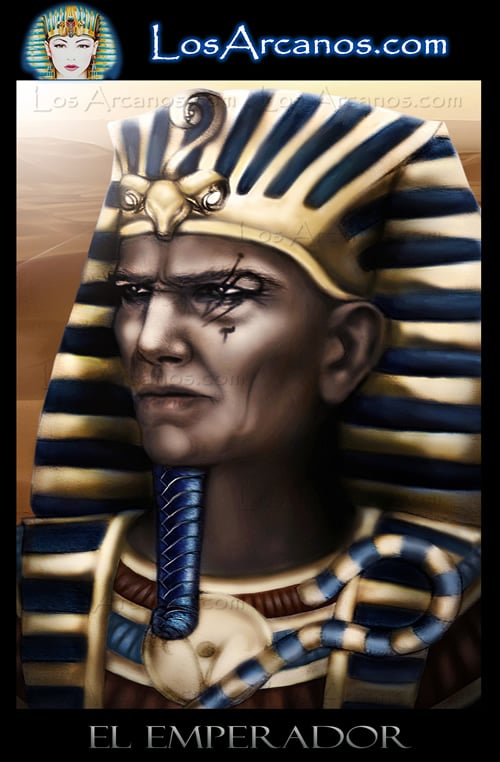
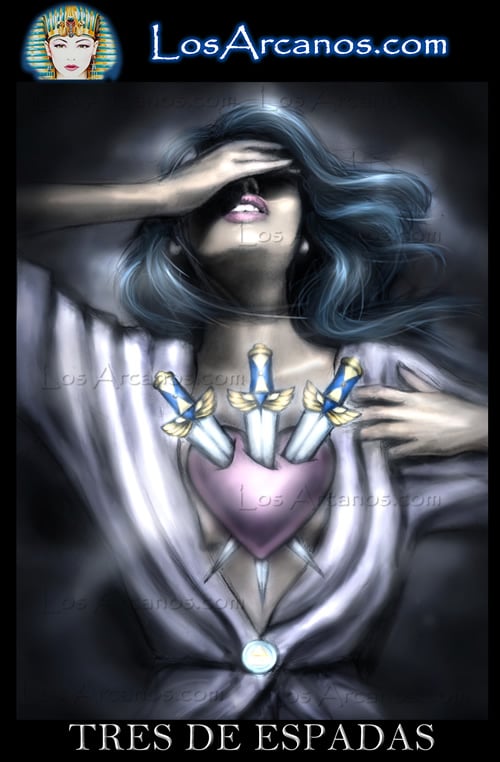
In the mystical realm of Tarot, the blend of The Emperor and the Five of Swords represents a complex synergy that transcends beyond their individual meanings. This combination speaks to a scenario where authority and conflict collide, creating a narrative of power struggles and the consequences of ego-driven battles. The Emperor’s commanding energy embodies leadership and assertiveness, a figure of control and structure, firmly grasping the reins of authority. On the other hand, the Five of Swords introduces an element of tension, signaling disagreements and potential defeat. The union of these two cards suggests a situation where one’s leadership may be challenged by underlying hostilities or competition. It serves as a cautionary tale, reminding us that assertion of power can lead to divisive outcomes. However, it also implies that through strife comes the potential for growth and the affirmation of one’s ideals – if handled with wisdom and strength. The energy of The Emperor can provide the discipline needed to navigate conflict, while the lessons of the Five of Swords can instill a deeper understanding of battles worth fighting and those best walked away from. Ultimately, this combination urges us to contemplate the ways in which we wield our personal power and the impacts of our choices in the face of adversity.
Keywords for this relationship
Power, Struggle, Leadership, Conflict, Authority, Defeat, Wisdom, Tension, Growth, Assertiveness
The Emperor reversed and the Five of Swords
When The Emperor is reversed and the Five of Swords remains upright, it can indicate a crisis of leadership. Inflexibility or lack of control may provoke unnecessary conflicts and ethical compromises, often resulting in empty victories or Pyrrhic triumphs.
The Emperor and the Five of Swords reversed
With The Emperor upright and the Five of Swords reversed, the atmosphere shifts towards the possibility of reconciling authority with past conflicts. This is a time to learn from previous mistakes, emphasizing restraint and diplomacy over domination.
The Emperor and the Five of Swords, both reversed
The combination of both The Emperor and the Five of Swords reversed portends a severe disruption of order. It warns of a loss of power, chaotic outcomes, and the importance of reevaluating one’s strategies in dealing with disputes to prevent a significant downfall.

See all Combinations
The Emperor The Fool and other minor arcana



















Other Major and Minor Arcana Combinations









Back to all combinations