
Combination between Judgement and the Three of Swords
Synergy betweenJudgement and the Three of Swords
Awakening Through Heartache
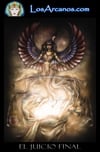
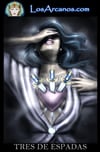
Beneath the shadow of the looming Judgement, an irrevocable awakening stirs, calling forth change and self-discovery. The Judgement card is a herald of resurrection, sounding the trumpets of a major life transformation and the summoning of one’s inner calling. It is when this mighty Arcana dances in tandem with the Three of Swords—a symbol of personal agony, betrayal, and sorrow—that we discover a synergy of force more potent than their individual effects. This combination pierces the veil of self-deception, allowing for an intense and unfiltered glimpse into the soul. The pain inflicted by the Three of Swords propels a person towards an existential crossroads, providing a mirror reflecting the profound truths of their being. Together, these cards call for an unflinching confrontation with one’s life choices, presenting an opportunity to cleanse wounds with the fires of rebirth. The pain becomes the catalyst for transformation, urging you to emerge from the ashes with newfound clarity and ambition. This synergy promises that once the heavy cloak of sadness is shed, an altered self may rise with a rejuvenated sense of purpose and motivation.
Keywords for this relationship
transformation, self-discovery, rebirth, heartache, betrayal, awakening, existential crossroads, personal growth, clarity, motivation
Judgement reversed and the Three of Swords
When Judgement appears reversed, its promise of renewal becomes stifled by self-doubt or refusal to heed its call. Yet, with Three of Swords upright, the pain remains sharp and undeniable, suggesting an internal struggle against necessary change while being unable to escape emotional turbulence.
Judgement and the Three of Swords reversed
With Judgement upright, the drive for rebirth and transformation is clear, but an inverted Three of Swords implies an easing of heartache. The transition may come with a gentler release from the binds of sorrow, allowing for smoother passage through the trials of change.
Judgement and the Three of Swords, both reversed
Dual reversal positions Judgement and Three of Swords signal profound resistance to the necessary upheaval. The avoidance of confronting deep-seated issues and a reluctance to heal from the inflicted pain could lead to stagnation, missing critical opportunities for growth and self-improvement.

See all Combinations
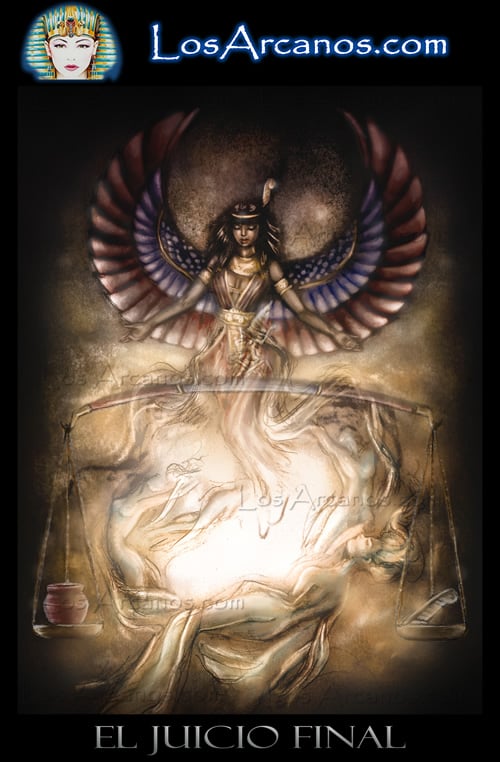
Judgement The Fool and other minor arcana





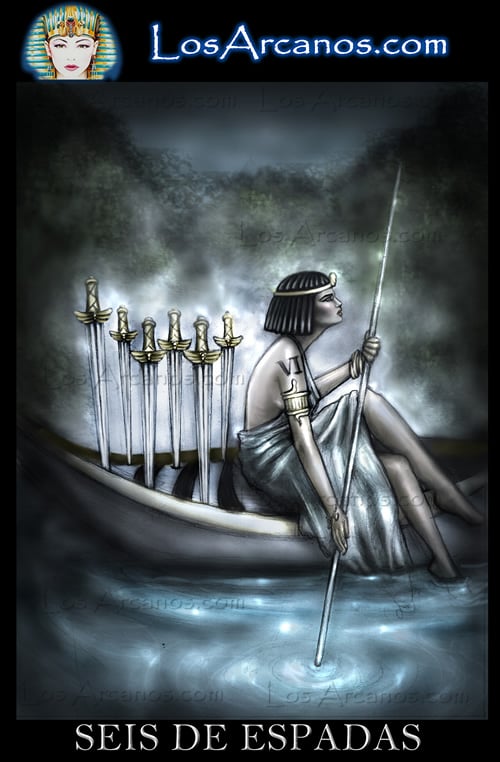



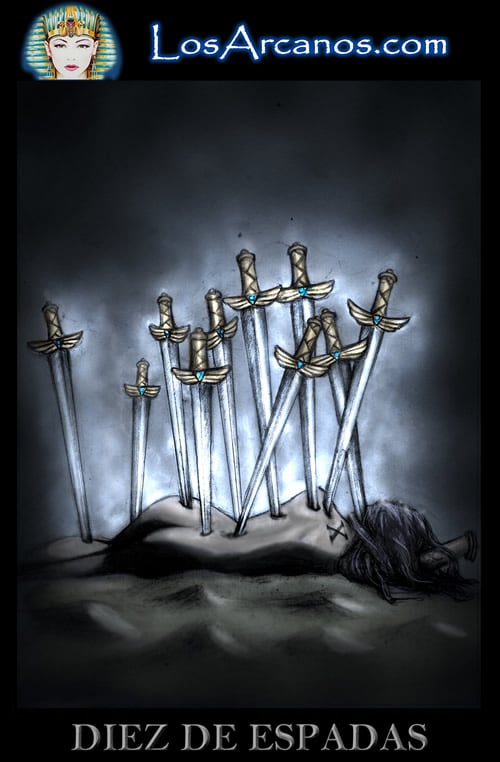



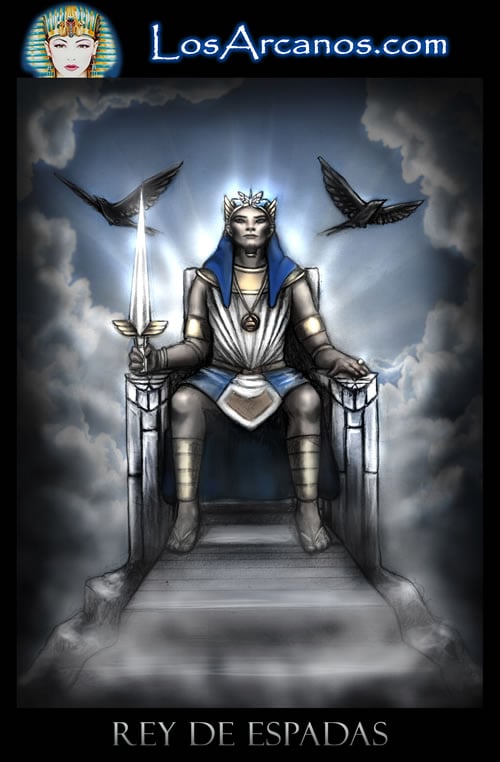
































Other Major and Minor Arcana Combinations


















Back to all combinations